General Provisions
ARTICLES OF ASSOCIATION OF NATIONAL CLASSICAL MUSIC PERFORMING ARTS ASSOCIATES (NCMPAA)
Article 1 The name of the organization is National Classical Music Performing Arts Associates, abbreviated as NCMPAA.
Article 2 This Association is jointly initiated by professors from top ranked American music conservatories, artistic directors and conductors from the Metropolitan Opera House, original creative team members of multiple Broadway musicals, as well as classical music institutions including Carnegie Hall, Merkin Concert Hall at Kaufman Music Center, Classical Singer Magazine, Subito Music and CDSheet. It is a profit organization registered and approved by competent authorities of the United States.

Article 3 Mission Statement
We strive to advance international music education through curriculum development and teacher training programs; sponsor and host global music festivals to foster cross cultural and music educational exchanges; build international performance platforms for emerging young artists and cultivate a supportive ecosystem for the new generation of musicians.

Article 4 Service Areas
To hold international music competitions, global education expos and academic seminars; deliver professional certification and evaluation services for musicians; promote publication and dissemination of musical works; explore innovative music teaching methodologies; serve as an authoritative liaison between music practitioners and educational institutions; organize experts for competition adjudication, masterclasses, academic forums and bilateral cultural exchange performances; facilitate international talent exchanges and cooperation in art education.
Program Areas
Article 5 The business scope of the Association is set forth below:
(1) Event & Exhibition Management: Plan and host international music competitions, global music education expos and academic seminars, establishing industry wide platforms for demonstration and exchange.
(2) Professional Evaluation & Certification: Provide competency certification and assessment services for music practitioners and learners, and issue professional evaluation opinions.
(3) Musical Works & Pedagogical Innovation: Promote the collation, publication and dissemination of musical works; research and explore innovative music teaching approaches to boost the development of music education.
(4) Industry Liaison & Resource Matching: Act as an authoritative liaison between music practitioners and educational institutions worldwide, connect global music education resources and facilitate multi party cooperation.
(5) Expert Led Artistic Activities: Organize international experts to conduct competition adjudication, masterclasses, academic forums, bilateral cultural exchange performances and other artistic practices.
(6) International Talent Cooperation: Carry out cross border exchanges for music talents, promote international art education projects and advance cross cultural music art communication.
(7) Art Education & Training: Deliver systematic music art training, youth art literacy programs, advanced professional training for talents and teacher capacity building workshops; build integrated online offline teaching systems and output standardized aesthetic education curricula and teaching solutions to popularize high quality international music art education.
(8) Artist Agency & Performance Operation: Nurture artistic talents, provide artist agency, career planning and promotion services; manage domestic overseas theatrical performances, commercial shows, art tours and program production & implementation; offer performance opportunities, resource connection, commercial implementation and career development support for outstanding musicians and young artistic talents.
Leadership Team
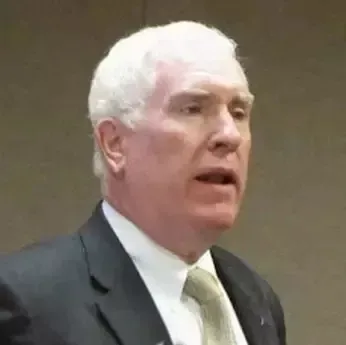
Mark Stoddard
President
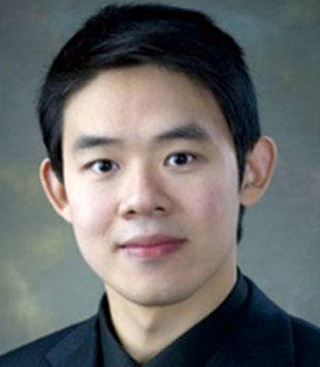
Mo Li
Artistic Director

Alex Stoddard
Vice President
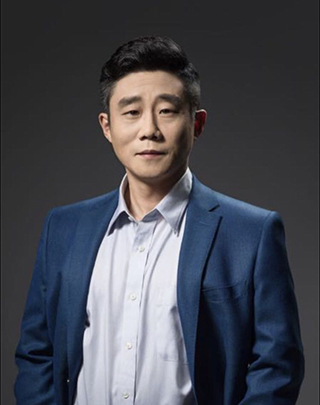
Bo Li
Executive Director

Ying Wang
Deputy Executive Director
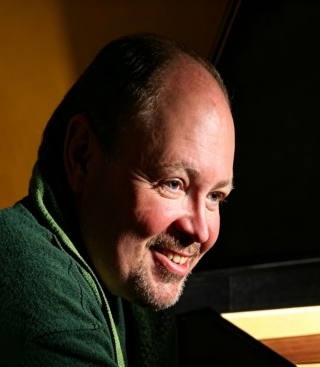
Craig Rutenberg
Standing Director
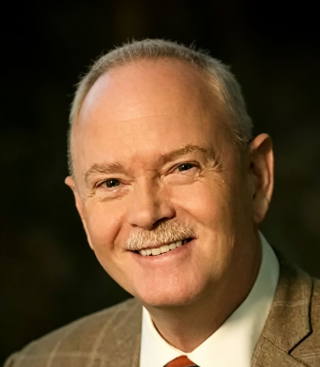
Ken Benson
Standing Director
Organizational Structure
Article 7 The Member Representatives’ Assembly is the supreme authority of the Association, exercising the following powers:
- Formulate and amend the Constitution;
- Elect and remove individual directors, director institutions and supervisors;
- Review work reports and financial reports submitted by the Council and the Board of Supervisors;
- Decide on major modification or termination of the Association;
- Establish and revise membership fee standards;
- Deliberate on other major matters.
Article 8 Rules for Member Representatives’ Assembly
The Member Representatives’ Assembly shall convene at least once per year. Two thirds or more of all voting representatives must be present for a valid session; any resolution shall be adopted by two thirds majority of attending representatives.
Article 9 Each term of the Member Representatives’ Assembly lasts four years. Re election materials shall be submitted for confirmation 30 days prior to the assembly. Where early or delayed re election is necessary, the Council shall vote for approval; the maximum delay shall not exceed one year.
Article 10 Council
When the Member Representatives’ Assembly is adjourned, the Council shall implement assembly resolutions, oversee daily operations and be accountable to the Assembly. Powers of the Council:
- Implement resolutions of the Member Representatives’ Assembly;
- Elect and remove President, Vice President, Executive Artistic Director and Secretary General;
- Convene sessions of the Member Representatives’ Assembly;
- Report work progress and financial status to the Member Representatives’ Assembly;
- Make final decisions on admission or expulsion of individual and institutional members;
- Decide the establishment or relocation of administrative offices, branches, representative offices and subsidiary entities;
- Review appointment of Deputy Secretary General and principal persons in charge of various bodies;
- Supervise work carried out by internal bodies;
- Review internal administrative rules;
- Receive proposals from the Board of Supervisors on disciplinary violations, formulate solutions and accept supervision;
- Decide on other significant affairs.
Article 11 Rules for Council Meetings
A Council meeting requires attendance of at least two thirds of directors; resolutions shall pass by two thirds vote of attending directors. The Council shall hold no fewer than two meetings each calendar year.
Article 12 Standing Council
A Standing Council is established, composed of no more than 27 standing directors elected from Council members. It exercises delegated authority while the full Council is adjourned and reports to the Council. Its powers:
- Implement resolutions of the Member Representatives’ Assembly and the Council;
- Prepare for convening the Member Representatives’ Assembly;
- Approve admission or expulsion of members;
- Approve establishment and office relocation of offices, branches, representative offices and subsidiary entities;
- Appoint Deputy Secretary General and principal heads of various bodies;
- Appoint or remove coordinators, liaison officers, project directors and promotion ambassadors;
- Approve admission or expulsion of Institutional Director Units and International Music Education Bases;
- Direct work of all subordinate bodies;
- Formulate internal management regulations;
- Accept disciplinary handling suggestions from the Board of Supervisors and implement supervisory requirements;
- Appoint honorary or special invited advisors according to operational needs;
- Handle other matters authorized by the Council.
The Standing Council shares the same term and holds concurrent re election with the Council.
Article 13 Rules for Standing Council Meetings
At least two thirds of standing directors shall attend for a valid meeting; resolutions shall be adopted by two thirds of attending standing directors. The Standing Council shall convene at least once every year.
Article 14 Qualifications for Senior Officers
President, Vice President, Artistic Director and Secretary General shall satisfy these criteria:
- Endorse the mission of the Association;
- Possess substantial influence within the music art field;
- Be devoted to artistic causes with a spirit of dedication;
- Generally not older than 70 years of age; Secretary General shall be full time;
- Be in good physical condition to perform duties;
- Hold full civil capacity.
Article 15 Legal Representative
The Executive Artistic Director serves as the legal representative of the Association. The legal representative shall not concurrently act as legal representative of other social organizations.
Article 16 Powers of the President
- Convene and preside over meetings of the Council and Standing Council;
- Monitor implementation of resolutions passed by the Member Representatives’ Assembly, Council and Standing Council;
- Sign important official documents on behalf of the Association.
Article 17 Powers of the Secretary General
- Administer day to day operations of administrative offices and execute annual work plans;
- Co ordinate work among branches, representative offices and subsidiary entities;
- Nominate Deputy Secretary General and principal heads of subordinate bodies for review by the Council or Standing Council;
- Employ full time staff for administrative, representative and subsidiary bodies;
- Handle other routine affairs.
Article 18 Board of Supervisors
The Board of Supervisors consists of five supervisors elected by the Member Representatives’ Assembly and reports to the Assembly. Responsibilities:
- Elect the Chief Supervisor;
- Attend meetings of the Council and Standing Council as observers;
- Supervise compliance of the Association and its officers with the Constitution and applicable laws;
- Monitor operations to ensure alignment with the approved Constitution, business scope and internal regulations;
- Supervise member misconduct that harms the reputation of the Association;
- Oversee financial status of the Association;
- Submit proposals on disciplinary violations to the Council / Standing Council and monitor execution of decisions.
Membership Mechanism
Article 19 Membership includes institutional members and individual members. Director Units and International Music Education Bases are institutional members enjoying full membership rights and obligations.

Article 20 Membership Eligibility
An applicant shall satisfy:
- 1、Endorse this Constitution;
- 2、Voluntarily apply for membership;
- 3、Maintain good reputation and certain influence within music education industry;
- 4、Be devoted to research and practice of music education.

Article 21 Admission Procedure
- 1、 Submit membership application form, bilingual resume and electronic version of artistic portrait;
- 2、 Reviewed and approved by the Council;
- 3、 Membership certificate issued by the Council or its authorized body.

Article 22 Member Rights
- 1、Right to vote, stand for election and vote on resolutions;
- 2、Right to participate in Association events;
- 3、Priority access to Association services;
- 4、Right to criticize, propose suggestions and exercise supervision;
- 5、Voluntary application for membership and voluntary withdrawal.

Article 23 Member Obligations
- 1、 Abide by the Constitution and implement Association resolutions;
- 2、 Safeguard the legal rights and reputation of the Association;
- 3、 Actively participate in activities and complete assigned tasks;
- 4、 Pay membership fees in accordance with standards;
- 5、 Provide truthful information and industry feedback.
Article 24 Withdrawal Rules
A member intending to withdraw shall send written notice and return the membership certificate. Automatic withdrawal occurs if a member fails to pay fees or take part in activities for one consecutive year.
Appointed positions carry fixed terms. One month before expiry, the Council or Standing Council shall decide on renewal; non renewal results in automatic termination of appointment.
Article 25 Expulsion
Where a member seriously violates the Constitution, expulsion may be resolved by vote of the Council or Standing Council.
Asset Management
Article 26 Sources of Funds
1、 Membership fees;
2、 Donations;
3、 Government grants;
4、 Income generated from services and events within the approved business scope;
5、 Interests;
6、 Other lawful income.
Article 27 Membership fee rates are set by the Member Representatives’ Assembly.
Article 28 All funds shall be exclusively used for business activities and purposes defined by this Constitution.
Article 29 A formal financial management system shall be maintained to guarantee legal, authentic, accurate and complete accounting records. Qualified accounting personnel shall be employed; accounting and cashier functions shall be separated. Hand over procedures must be completed upon personnel transfer or resignation.
Article 30 Financial management is subject to oversight from the Member Representatives’ Assembly. Donation and grant related funds shall accept audit supervision and appropriate public disclosure.
Article 31 Financial audits shall be performed prior to re election or replacement of the legal representative.
Article 32 No entity or individual may embezzle, privately divide or misappropriate assets of the Association.
Article 33 Salaries, insurance and welfare benefits for full time staff shall refer to relevant standards for public sector institutions.
Termination Procedures
Article 34 Where termination becomes necessary due to completion of mission, voluntary dissolution, division or merger, a termination motion shall be raised by the Council or Standing Council.
Article 35 The termination motion shall be voted on by the Member Representatives’ Assembly.
Article 36 Upon decision to terminate, a liquidation team shall be set up under guidance of relevant authorities to settle claims and liabilities. No new activities outside liquidation scope shall be conducted during liquidation.
Article 37 Formal termination takes effect upon completion of deregistration formalities.
Article 38 Remaining assets after liquidation shall be used for purposes consistent with the mission of the Association, in accordance with applicable regulations.
Supplementary Provisions
Article 39 This Constitution was adopted by vote at the Member Representatives’ Assembly held on September 30, 2014.
Article 40 The Council of the Association holds the right of interpretation for this Constitution.
Article 41 This Constitution shall enter into force on September 30, 2014.